Unlocking the Strength: A Complete Reference to the VR6 Jetta Powertrain
The VR6 engine embodies an impressive combination of efficient design and exceptional capability. Its unique engineering attracts performance enthusiasts and casual drivers alike. As a wealth of aftermarket enhancements exists, a growing number of owners aim to improve their vehicle's overall performance. Understanding essential tuning techniques and common maintenance issues can greatly impact longevity and performance. As the discussion unfolds, the diverse options for realizing the VR6's true power will become increasingly clear.
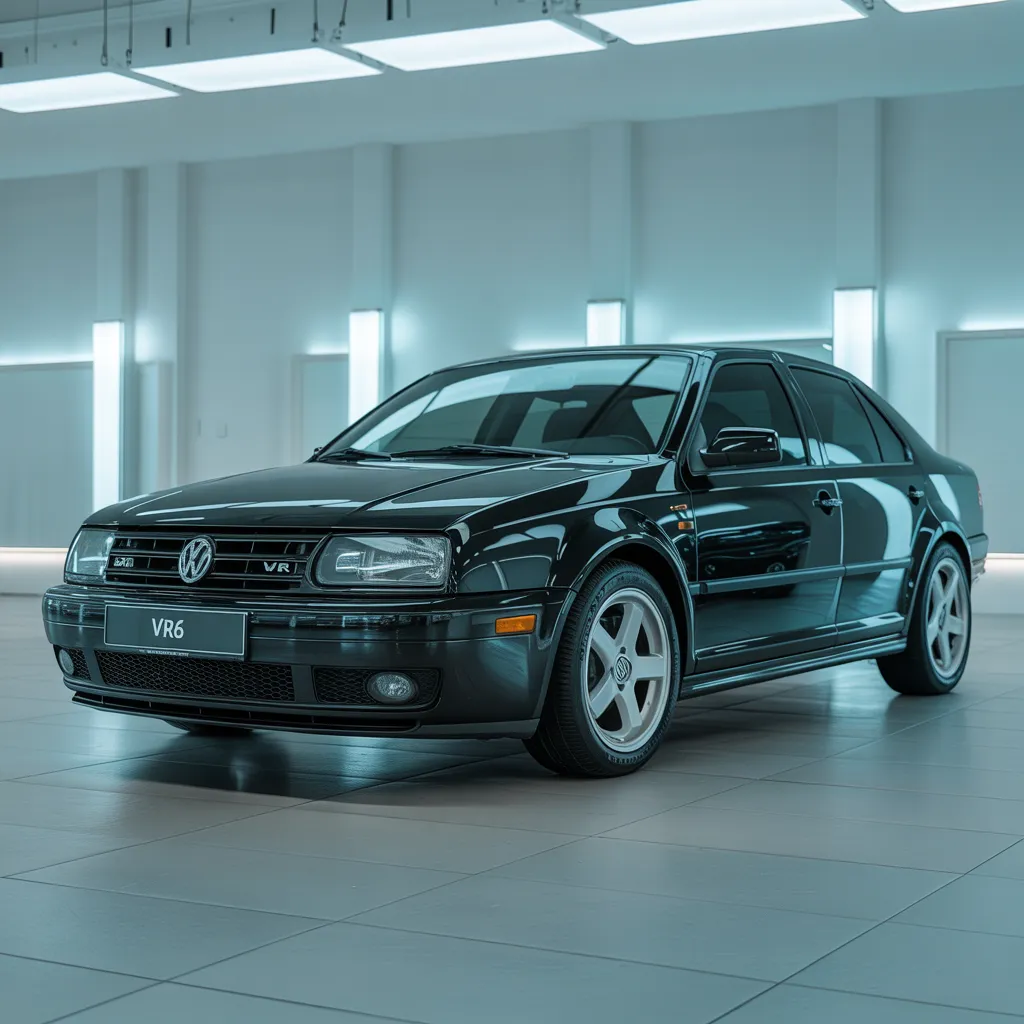
The Innovative Engineering of the VR6 Engine
The VR6 engine is remarkable in automotive engineering owing to its unique design that merges the qualities of both V-type and inline layouts. This remarkable layout enables the VR6 to maintain a compact size while delivering impressive power output. The engine features a narrow-angle V design, which allows for a shorter engine length in contrast to traditional V engines. This compactness facilitates easier installation in multiple vehicle applications, most notably in the Jetta.
Moreover, the VR6 features a solitary cylinder head, optimizing the design and decreasing overall weight. Its layout achieves seamless operation and reduced vibration, improving the overall driving experience. The engine routinely uses a unique firing order that produces its distinctive sound, appealing to enthusiasts. Ultimately, the VR6 engine exemplifies creative engineering, achieving a harmony between performance, efficiency, and compact design, establishing it as an exceptional selection for a wide range of automotive applications.
What Are the Benefits of Upgrading Your VR6 Jetta
Improving a VR6 Jetta can considerably improve both power and overall driving quality. Owners often pursue advancements in handling, power output, and efficiency. The VR6 engine, recognized for its refined performance and distinctive engineering, serves as a strong foundation for these upgrades. These changes can deliver significant improvements in torque and horsepower, resulting in swifter throttle response and a more dynamic driving experience.
Additionally, changes can increase the car's responsiveness and agility, resulting in a more pleasurable driving experience in various environments. A expertly tuned VR6 Jetta can additionally reach greater fuel efficiency, promoting a equilibrium between power and efficiency.
Moreover, enhancing parts such as the exhaust system, suspension, and brakes can transform find out about this the automobile's handling qualities, guaranteeing a more engaging driving experience. In the end, these modifications not only boost performance but also raise the vehicle's appeal and value to existing and potential owners alike, making upgrades a valuable choice.
Top Aftermarket Modifications for VR6 Power
Enhancing VR6 power often begins with strategically selected aftermarket improvements that elevate performance. Perhaps the most influential upgrades is a high-performance intake system, which enables increased airflow, enhancing combustion efficiency. Complemented by a upgraded exhaust system, this combination not only enhances power but also delivers a more powerful sound.
Another popular modification is the installation of a performance chip or ECU remap, which optimizes engine settings for improved horsepower and torque. Improving the ignition system using high-performance coils and spark plugs can also deliver notable improvements, guaranteeing optimal combustion.
For drivers aiming to improve handling alongside power, upgraded suspension components, including coilovers and sway bars, are essential. Finally, lightweight rims decrease unsprung mass, boosting acceleration and stopping power. Combined, these essential modifications deliver a well-rounded approach to unleashing the genuine capabilities of the VR6 engine.
Critical Calibration Techniques for Enhancing VR6 Performance
Optimizing the VR6 engine necessitates a strategic approach to unlock its full power capabilities. Essential methods involve refining the air-fuel mixture through ECU remapping, which increases engine responsiveness and power delivery. Upgrading the intake and exhaust components can considerably enhance airflow, helping the engine to breathe easier and achieve superior performance at elevated RPM ranges.
Integrating a power chip can optimize the ignition timing and fuel distribution, boosting engine power and fuel efficiency. Additionally, consistent servicing of components including spark plugs and ignition components assures that the engine functions properly, preventing performance degradation.
Investing in a high-quality intercooler is vital for enthusiasts wanting to optimize forced induction systems, as it assists in maintaining proper intake temperatures. Furthermore, employing a dyno for precise tuning enables real-time corrections, guaranteeing that the engine operates at its best across multiple driving conditions. These critical techniques work together to improve the VR6's power potential.
Resolving Typical Issues in VR6 Engines
Within VR6 engines, timing chain tensioner problems and intake manifold issues are among the most frequently encountered concerns. If left unaddressed, these issues can result in considerable performance decline and possible engine damage. Grasping the underlying causes and effective solutions is vital for sustaining maximum engine functionality.
Timing Chain Tensioner Issues
Timing chain tensioner issues commonly occur in VR6 engines, resulting in potential performance issues and costly repairs. These problems often stem from wear or failure of the tensioner, which can result in incorrect chain tension. A deteriorating tensioner may cause the timing chain to rattle or produce unusual noises, indicating that the chain may not be adequately seated. If left untreated, this can lead to severe engine damage, including warped valves or catastrophic engine failure. Routine checkups and prompt replacements of the timing chain tensioner can help reduce these dangers. VR6 engine owners should remain watchful for indicators of tensioner problems to secure maximum performance and lifespan of their vehicles.
Intake Manifold Problems
Intake manifold complications can considerably influence the power and efficiency of VR6 engines. Typical issues involve vacuum leaks, which can cause irregular idling and reduced fuel efficiency. Moreover, the structure of the intake manifold can create uneven airflow distribution, causing power loss and rough engine performance. Over time, carbon buildup can additionally block airflow, progressively worsening engine efficiency. Regular inspections are essential to identify these issues early. Installing new components in place of damaged ones can bring back maximum performance levels. Furthermore, upgrading to aftermarket intake manifolds may enhance airflow and increase horsepower. Addressing these concerns guarantees that the VR6 engine runs efficiently, upholding its legacy of strength and dependability.
Essential Maintenance Tips for Your VR6
Maintaining a VR6 engine requires careful consideration of a number of critical elements to ensure peak performance and longevity. Consistent oil changes are vital, with synthetic oil recommended to endure the engine's operational stress. Checking coolant levels and ensuring that the system is free of leaks will guard against overheating, a well-known concern in VR6 engines.
Furthermore, the timing chain and tensioner ought to be examined on a regular basis, as failures can lead to severe engine damage. Swapping out the air filter at consistent intervals ensures optimal airflow and engine performance.
Inspecting the spark plugs and ignition coils is critical for maintaining optimal combustion efficiency. Tire pressure and alignment should not be overlooked, as these elements directly affect overall engine efficiency.
Furthermore, incorporating a reliable fuel additive is beneficial for cleaning fuel injectors and boosting overall efficiency. By sticking to these essential maintenance guidelines, drivers can unlock the complete potential of their VR6 engines while keeping unexpected issues to a minimum.
Contrasting VR6 Performance With Alternative Engine Types
While many engine types offer distinct advantages, the VR6 distinguishes itself for its unique combination of performance and space-efficient layout. This particular engine setup provides a robust power band, delivering impressive torque and horsepower, which enhances driver engagement in the Jetta. Measured against inline-four engines, the VR6 commonly delivers greater acceleration refinement and a more exhilarating sound, attracting enthusiasts.
In contrast to conventional V6 engines, the VR6's narrower design enables more flexibility in vehicle layouts, contributing to enhanced handling performance. Turbo engines, despite frequently producing higher peak power, often lack the smooth power delivery associated with the VR6, which can be more enjoyable in routine driving conditions.
When all is said and done, the VR6 engine strikes a middle ground between capability and efficiency, making it a attractive selection for drivers looking for a spirited driving experience without neglecting space and design efficiency.
Questions We Often Receive
What Is the History Behind the VR6 Engine Design?
The VR6 engine design originated in the late 1980s, introduced by Volkswagen. It merged the advantages of a V6 and inline engine, offering compact dimensions while maintaining smooth operation and powerful performance for various models.
How Does the VR6 Engine Stack Up Against Turbocharged Engines?
The VR6 engine offers a unique combination of power and smoothness, commonly offering a more steady power delivery in contrast to turbocharged engines, which are known to deliver power in surges, producing a distinct driving experience.
What Is the Average Lifespan of a VR6 Engine?
The expected lifespan of a VR6 engine typically ranges between 150k to 200k miles, based on maintenance and driving conditions. Routine maintenance can substantially increase its durability and overall performance longevity.
Are There Particular Oil Recommendations for VR6 Engines?
VR6 engines typically benefit from premium synthetic motor oils, especially oils specified as 0W-40 or 5W-40. Consistent oil changes combined with strict adherence to manufacturer guidelines guarantee peak performance and longevity for these powerful engines.
What Are the Best Fuel Types for Optimizing VR6 Performance?
To optimize VR6 power output, premium unleaded gasoline with a minimum octane rating of 91 or greater is suggested. This type of fuel improves combustion effectiveness, increasing power output and general engine response, essential for demanding driving conditions.